The 10 Best ChatGPT Brand Monitoring Tools in 2026
Sightivo
The 10 Best ChatGPT Brand Monitoring Tools in 2026
ChatGPT names two or three tools when your buyers ask. These 10 tools tell you whether you're one of them—compared on prompt limits, refresh rate, pricing, and what they do about it.

When someone asks ChatGPT for the best tool in your category, it names two or three. Not ten blue links — three. You're either in that set or you're invisible to that buyer, regardless of where you rank on Google.
Monitoring that is a different job from rank tracking, and a small industry has grown around it in about eighteen months. This guide compares eight tools on the things that differ: how many prompts you can track, how often they re-run, what they cost, and whether they do anything about what they find.
Full disclosure: we build Sightivo, listed first. Prices checked August 2026.
The Best ChatGPT Monitoring Tools at a Glance
| Tool | Prompts on entry tier | Refresh | Entry price | Acts on findings |
|---|---|---|---|---|
| Sightivo | 10 (free plan) | Scheduled scans | Free checker, free plan, $79/mo | Yes — off-page actions |
| Otterly.AI | 15 | Daily | $29/mo | No |
| Profound | 50 | Daily | $99/mo (yearly) | Partly |
| Peec AI | 3 projects | Daily | Quoted | No |
| ZipTie | 500 checks/mo | Scheduled | $69/mo | On-page only |
| Semrush AI Toolkit | Plan-dependent | Regular | Add-on to $139/mo | On-page only |
| Ahrefs Brand Radar | Plan-dependent | Regular | From $199/mo | No — research |
| Rankscale | Plan-dependent | Scheduled | Published tiers | No |
| AthenaHQ | Plan-dependent | Scheduled | Quoted | Partly |
| Manual testing | Unlimited, by hand | Whenever you do it | Free | No |
How We Evaluated These
Prompt limits against real buyer questions. Most categories need 20–30 prompts to be representative, so entry-tier caps were weighted heavily.
Whether ChatGPT is the entry tier or an upsell, since several platforms gate it behind higher plans.
What lands in your lap after a gap is found — a number, an export, an on-page suggestion, or an off-page action.
Entry pricing checked directly on vendor pricing pages in August 2026.
We haven't benchmarked accuracy across tools. AI answers are non-deterministic and vary by session and region — anyone publishing a precise accuracy ranking should explain how they controlled for that.
What to Check Before You Buy
Prompt limit, against the number of questions your buyers actually ask. Most categories need 20–30 prompts to be representative. A 15-prompt entry plan is a sample, not a picture.
Whether you write the prompts. Templated sets rarely match real buyer language, and the gap between "best CRM" and "CRM for a two-person agency that hates setup" is the whole ballgame.
Refresh frequency versus noise. ChatGPT's answers vary between runs. Daily tracking of one prompt mostly measures that variance; what you want is enough samples that the trend is real.
Whether ChatGPT is the entry tier or an upsell. Profound's $99 Starter is ChatGPT-only — ideal if that's your question, limiting when you later want Perplexity and Gemini.
What happens after the gap is found. This separates a useful subscription from an expensive chart.
The 8 Best ChatGPT Brand Monitoring Tools
Our tool
1. Sightivo — best for finding out and fixing it
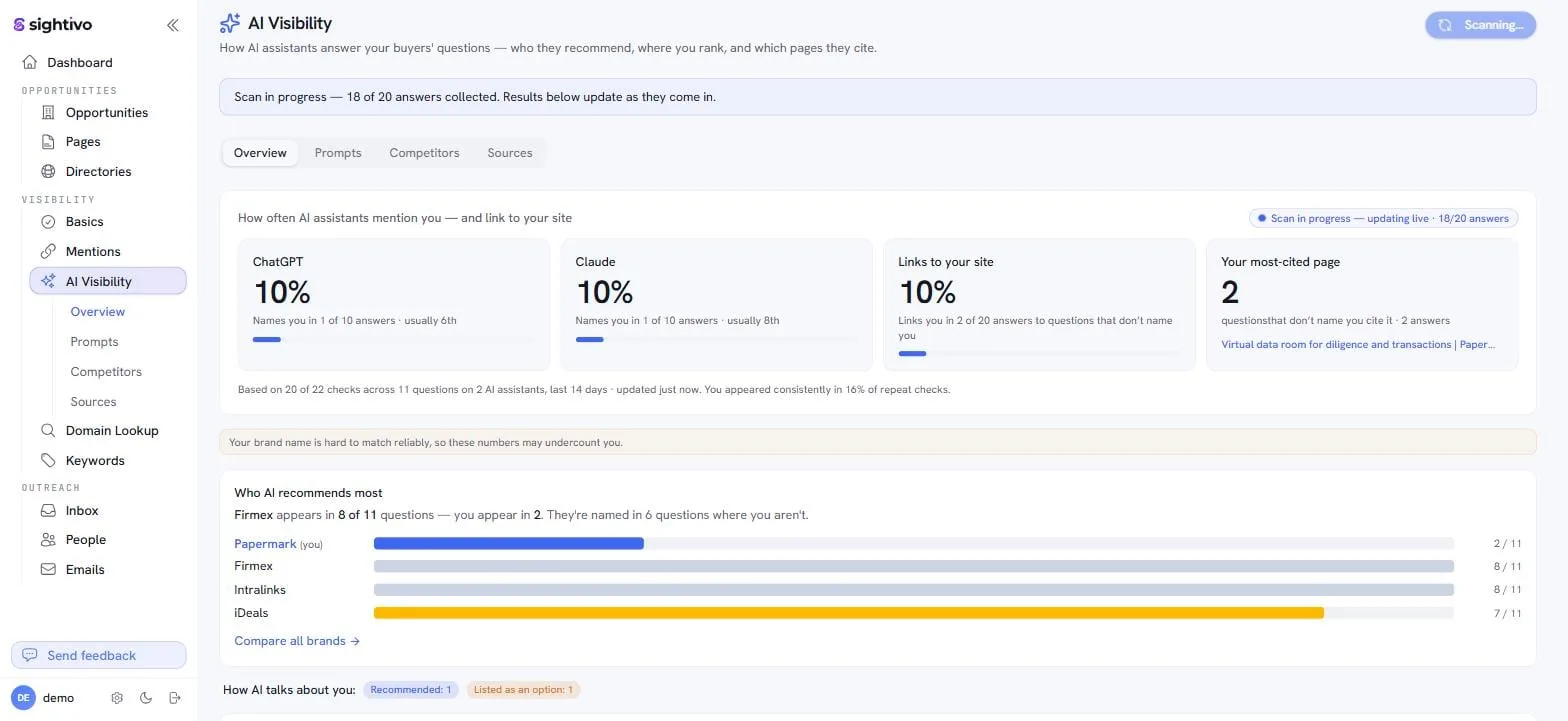
Start with the free AI Visibility Checker: enter a domain, no signup, and see how often ChatGPT names you when buyers ask for the best tools in your category — plus which competitors it named instead.
Then it tracks properly: the same prompts asked repeatedly across ChatGPT, Perplexity, Gemini and AI Overviews, with per-engine mention rates and competitor share of voice.
And the part others skip: every gap connects to a prioritized list of places to get mentioned — the roundups, comparison posts and directories ChatGPT cites in your category — with the authors behind them, contact details, and a drafted pitch.
Limitations: 10 tracked prompts on the free plan; newer than the incumbents; not an enterprise brand-monitoring suite.
Pricing: Free checker, no account. Free plan, no card. Starter $79/mo. Growth $169/mo.
2. Otterly.AI — cheapest ongoing tracking
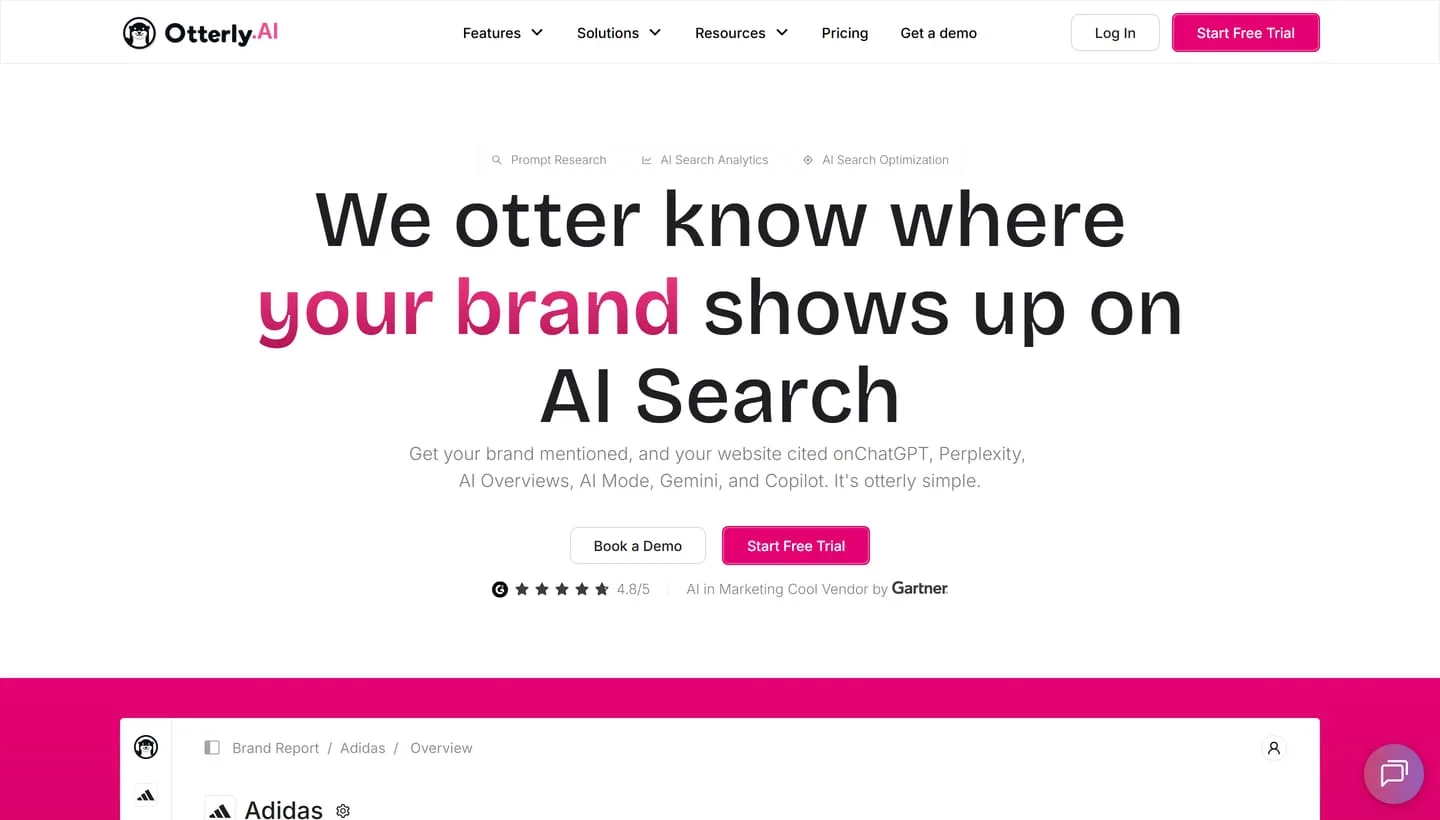
Strengths: $29/mo Lite with daily tracking across ChatGPT, AI Overviews, Perplexity and Copilot; unlimited team members; tracks cited links as well as mentions.
Limitations: 15 prompts on Lite; reports rather than recommends; next tier jumps to $189.
Best for: A real trend line at the lowest ongoing cost.
3. Profound — deepest ChatGPT-specific analysis
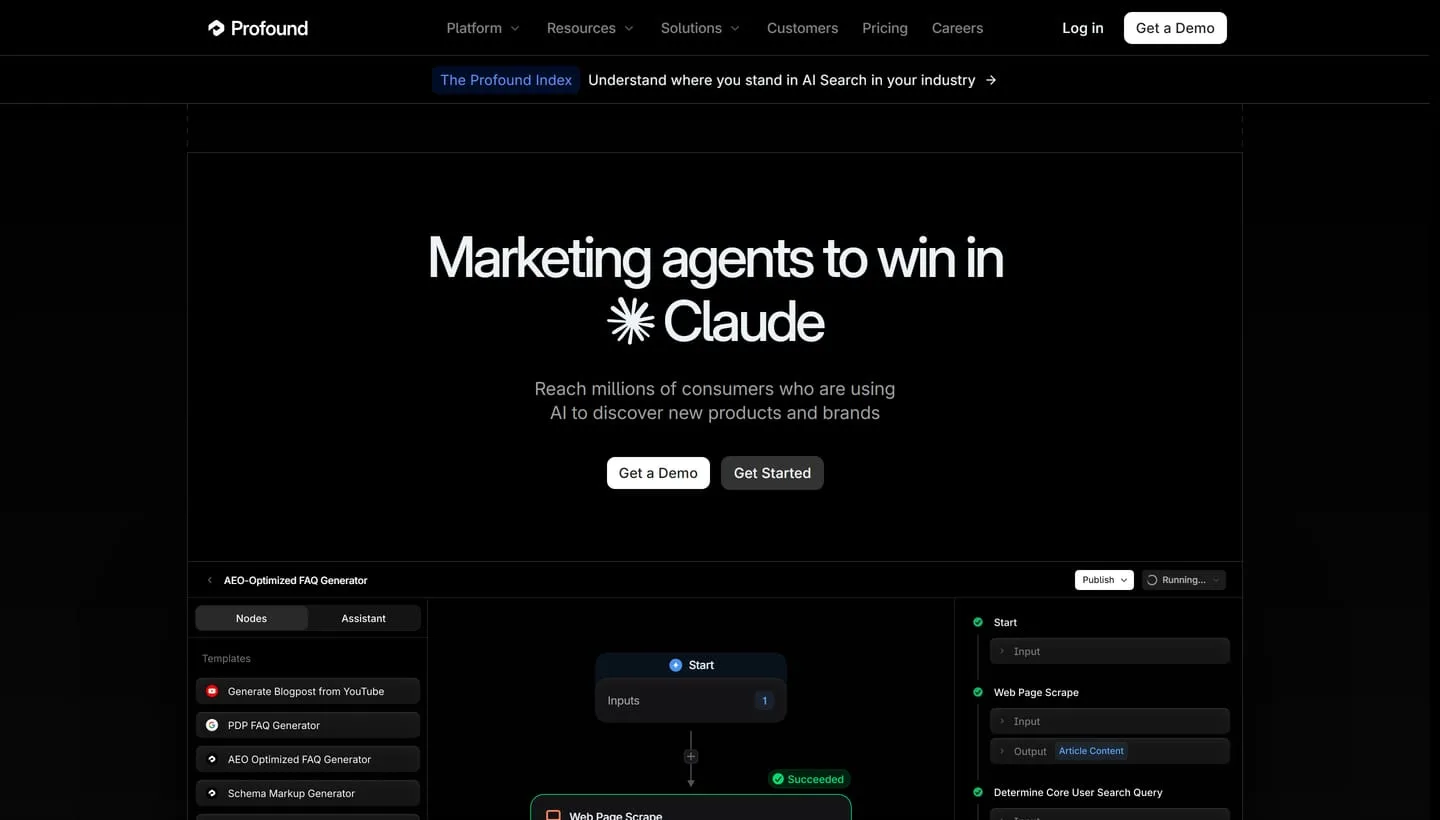
Strengths: The $99 Starter is explicitly ChatGPT-focused with 50 tracked prompts — the most prompts at that price point; conversation-level category insight; enterprise reporting above.
Limitations: Other engines require Growth at $399/mo; measurement-heavy.
Best for: Teams whose buyers are specifically in ChatGPT and who want depth over breadth.
4. Peec AI — cleanest daily tracking
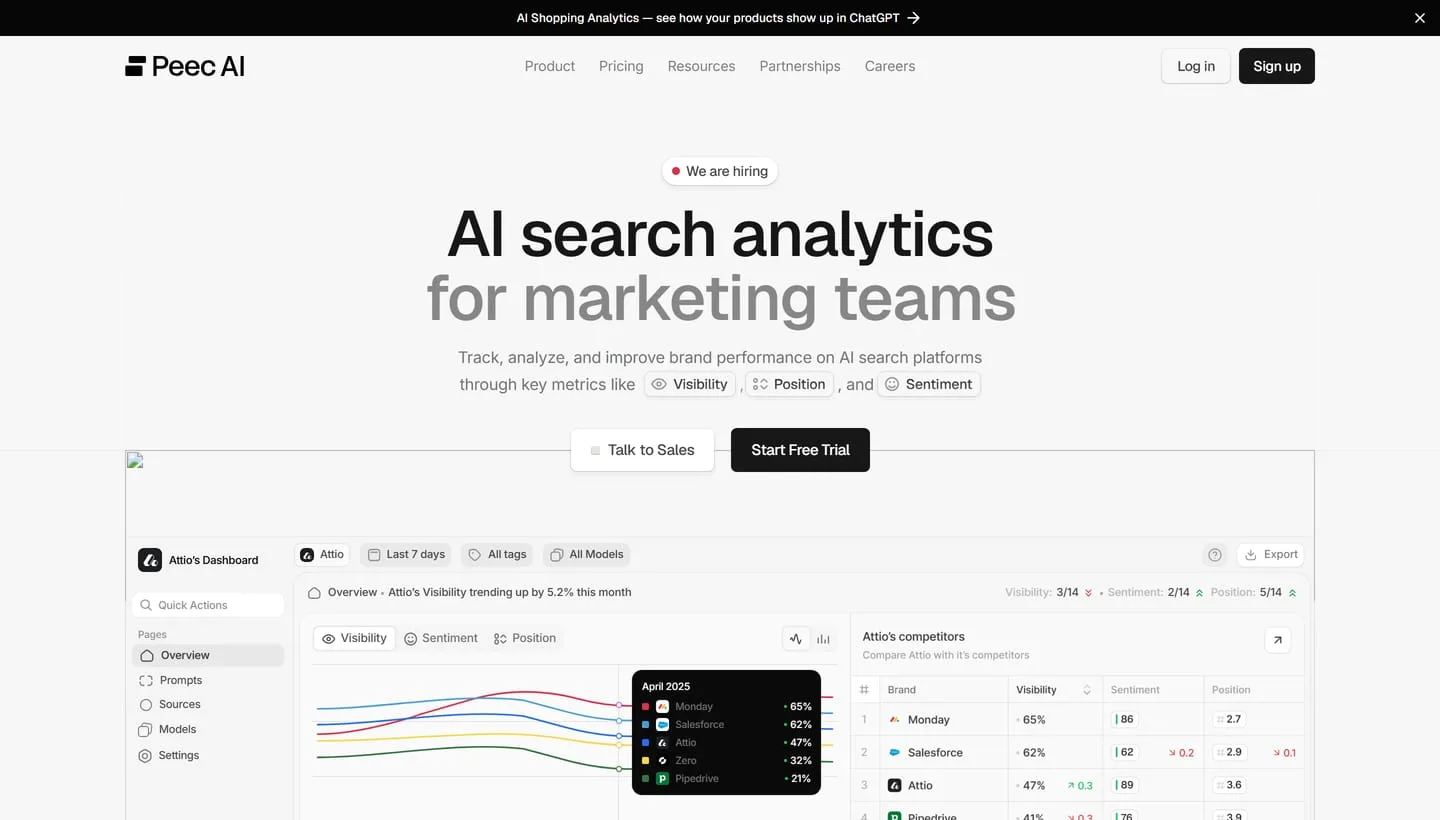
Strengths: Daily tracking across six engines from the entry tier; readable competitor views; quick setup.
Limitations: Project and country limits on Starter; analytics only; pricing quoted rather than published.
5. ZipTie — monitoring plus content fixes
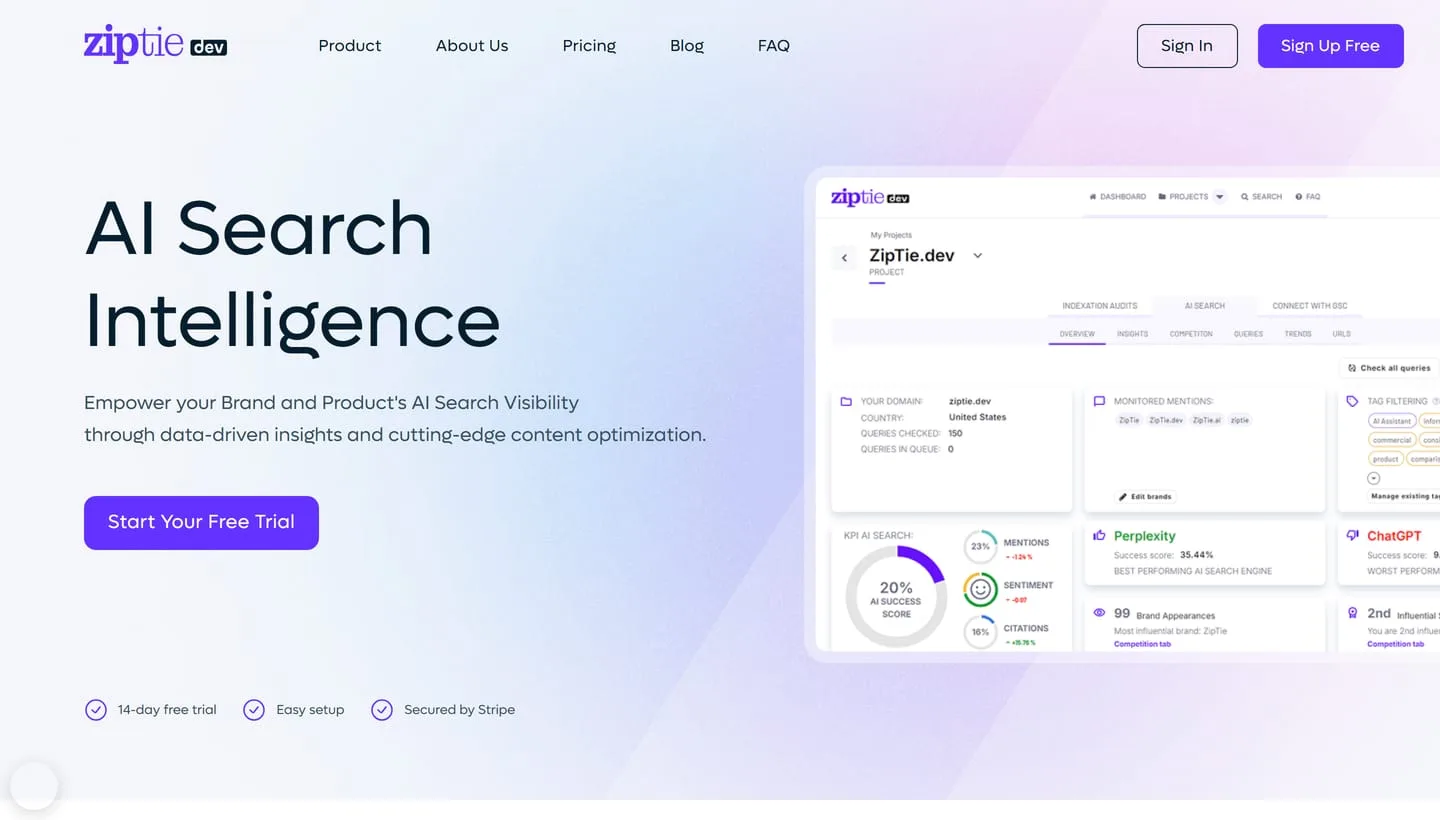
Strengths: 500 AI search checks a month on Basic; content optimizations bundled; 14-day trial.
Limitations: On-page recommendations only; one seat on Basic.
6. Semrush AI Toolkit — if you're already paying
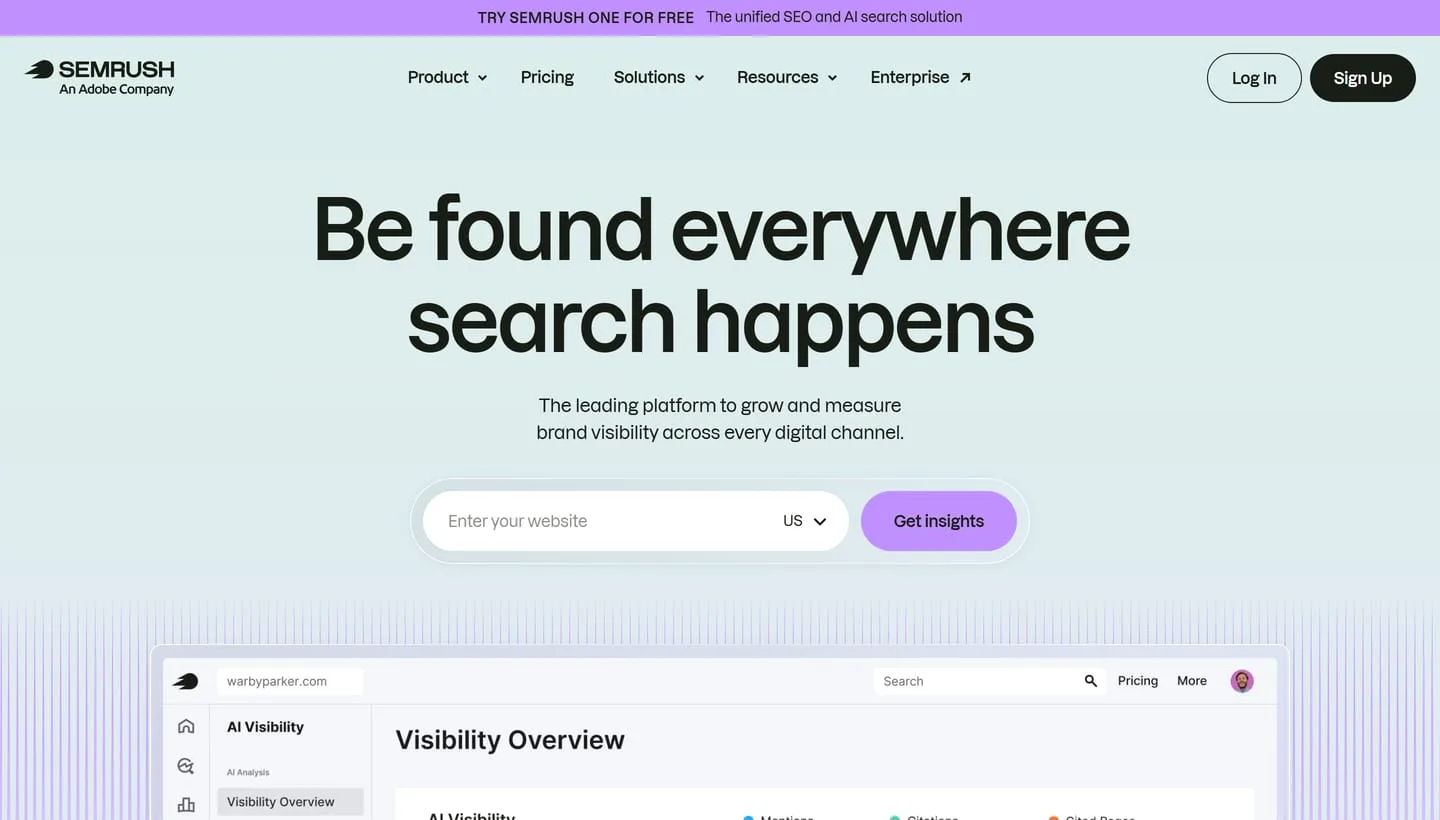
Strengths: No new vendor; AI mentions sit beside rankings and backlinks; a free AI visibility checker is available on a free account.
Limitations: Add-on to a $139/mo entry plan; recommendations stop at on-page and technical.
7. Ahrefs Brand Radar — for benchmarking, not alerting
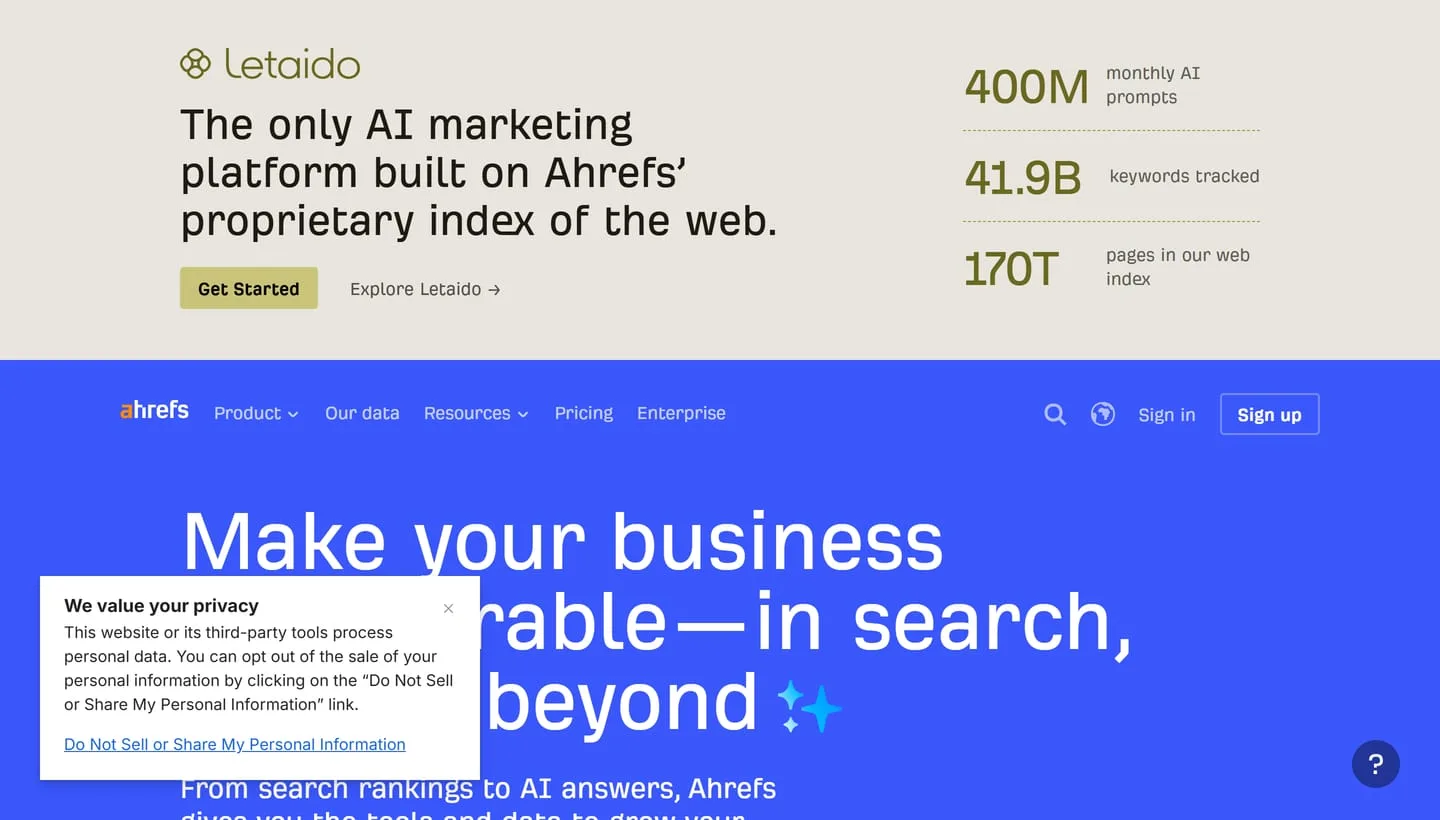
Strengths: Brand mentions tracked beside the backlink data that drives them — Ahrefs' own 75,000-brand study found web mentions correlate with AI visibility at 0.664 versus 0.218 for backlinks.
Limitations: From $199/mo for the AI product; research rather than monitoring; less prompt-level control.
8. Rankscale — newer specialist worth a look
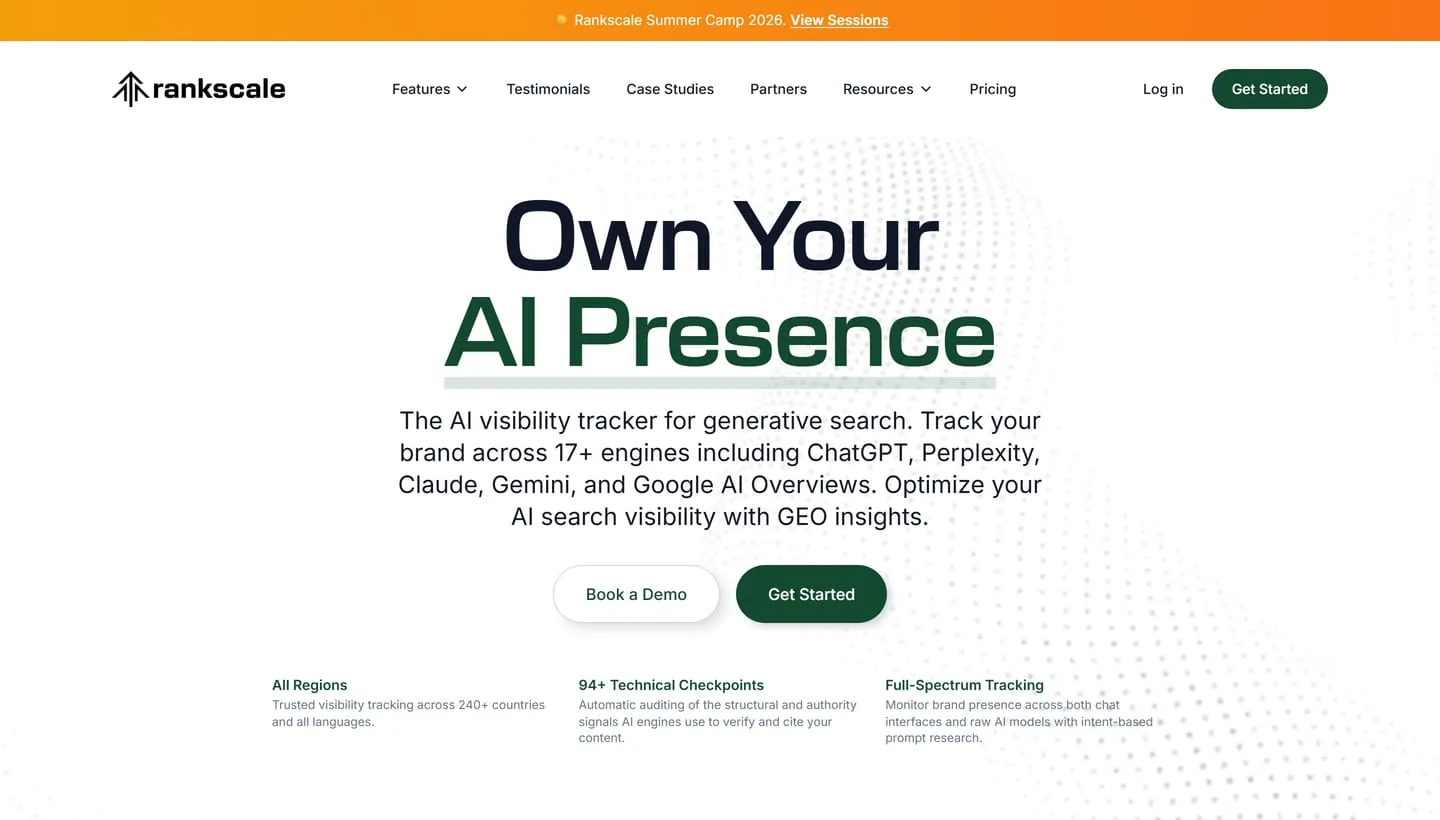
Strengths: Purpose-built AI search visibility tracking that appears consistently across competing roundups; prompt-level detail; published pricing tiers.
Limitations: Younger product with a smaller community and fewer independent reviews; reporting rather than recommending.
Best for: Teams shopping the category who want an alternative to the two or three obvious names.
9. AthenaHQ — brand-team oriented
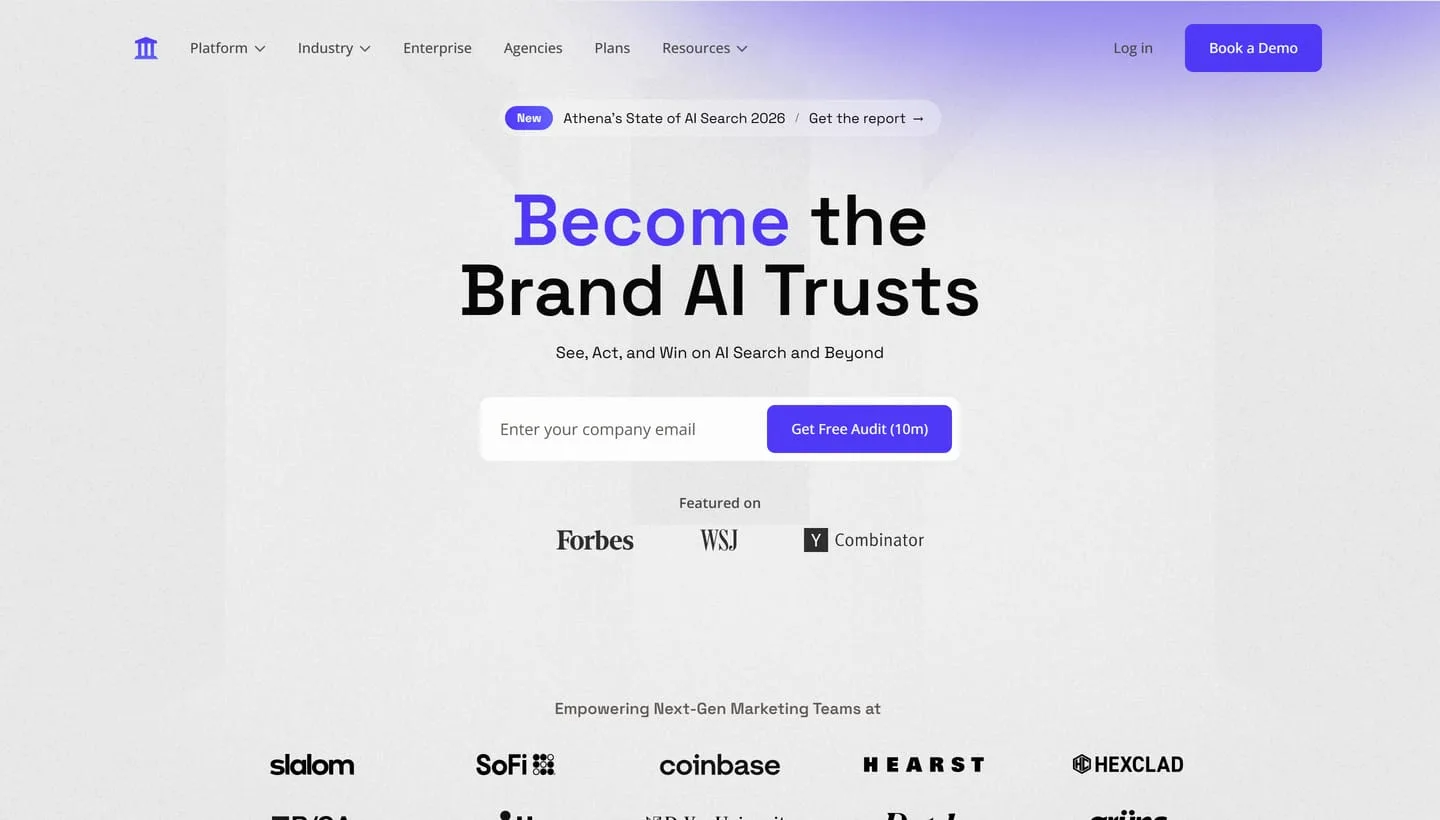
Strengths: Focused on how AI systems represent brands rather than just whether they're named — closer to sentiment and framing than raw mention counts.
Limitations: Pricing quoted rather than published; newer entrant; aimed at brand teams more than founders.
Best for: Brand teams who care how they're described, not only whether they appear.
10. Manual testing — still worth doing
Strengths: Free; you read the actual language ChatGPT uses about your category, which no dashboard conveys; zero setup.
Limitations: No history, no scale, and single-run variance hides trends.
Best for: Everyone, monthly, alongside whatever you buy.
How to Read What You Find
Being absent isn't a ranking problem. ChatGPT isn't skipping you because your title tags are wrong. It names the brands the sources it reads keep naming.
Look at who is named, and what those answers cite. That citation list is your target list — the specific roundups, comparisons and directories shaping the answer.
Expect slow movement. This changes when new content about you gets published and indexed. Monthly at best.
Don't over-read a single run. Three runs of the same prompt on the same day can differ. Trend over samples, not single results.
The underlying dynamic is consistent: Muck Rack's analysis of over 25 million cited links found 84% of AI citations come from earned media, against 0.3% for paid and advertorial. You get into ChatGPT's answer by being written about, not by optimizing your own pages — which is why most tools here measure the problem without solving it. We unpacked that in the SEO/GEO tool gap.
Common Questions
How do I check if ChatGPT mentions my brand?
Ask it your buyers' questions in a fresh session, or run a free checker that generates those questions and reports which brands were named. The checker is faster and avoids the phrasing bias you bring to your own category.
Why does ChatGPT recommend my competitor and not me?
Because more of the sources it reads name them — roundups, comparison posts, directories, community threads. It reflects the web's consensus about your category rather than forming its own opinion.
Can I pay ChatGPT to recommend my brand?
No, and be wary of anyone selling that. Paid and advertorial content accounts for roughly 0.3% of AI citations.
How many prompts should I track?
20–30 real buyer questions per brand. Fewer and you're sampling, not measuring.
How often do the answers change?
Constantly at the margins, slowly in substance. Check monthly; more often mostly measures run-to-run variance.
Is ChatGPT monitoring different from AI visibility tracking?
Same job, narrower scope. ChatGPT is the largest single surface, but Perplexity, Gemini, Copilot and AI Overviews behave differently — we compared the broader field in the 10 best AI visibility tools.
Key Takeaways
- ChatGPT names two or three brands; you're in the set or invisible to that buyer
- Prompt limits bite first — 20–30 real questions is a representative sample
- Profound's $99 Starter offers the most prompts of any ChatGPT-specific paid tier; Otterly is the cheapest ongoing option at $29
- Single runs vary; only repeated sampling shows movement
- You enter the answer by being written about elsewhere — the half most tools don't help with
Topics covered
Related articles
Written by
Product leader who's launched 8 B2B SaaS products over the past 6 years. Experienced in taking products from 0 to 1 and scaling them. Built Sightivo out of frustration while doing backlink outreach for another startup—spent hours juggling spreadsheets and tools just to send a few emails. Decided to build something better and share it with others facing the same pain.
Ready to grow your search & AI visibility?
Sign up for Sightivo to track rankings, backlinks, and how often AI engines cite your brand.
Start free